First-hand experience: Using LED lights in photography
As my interest in film grew, complementing my interest in photography, I found myself needing lighting that could be used equally well for both. When you start thinking about this topic, you quickly come to the concept of LEDs.
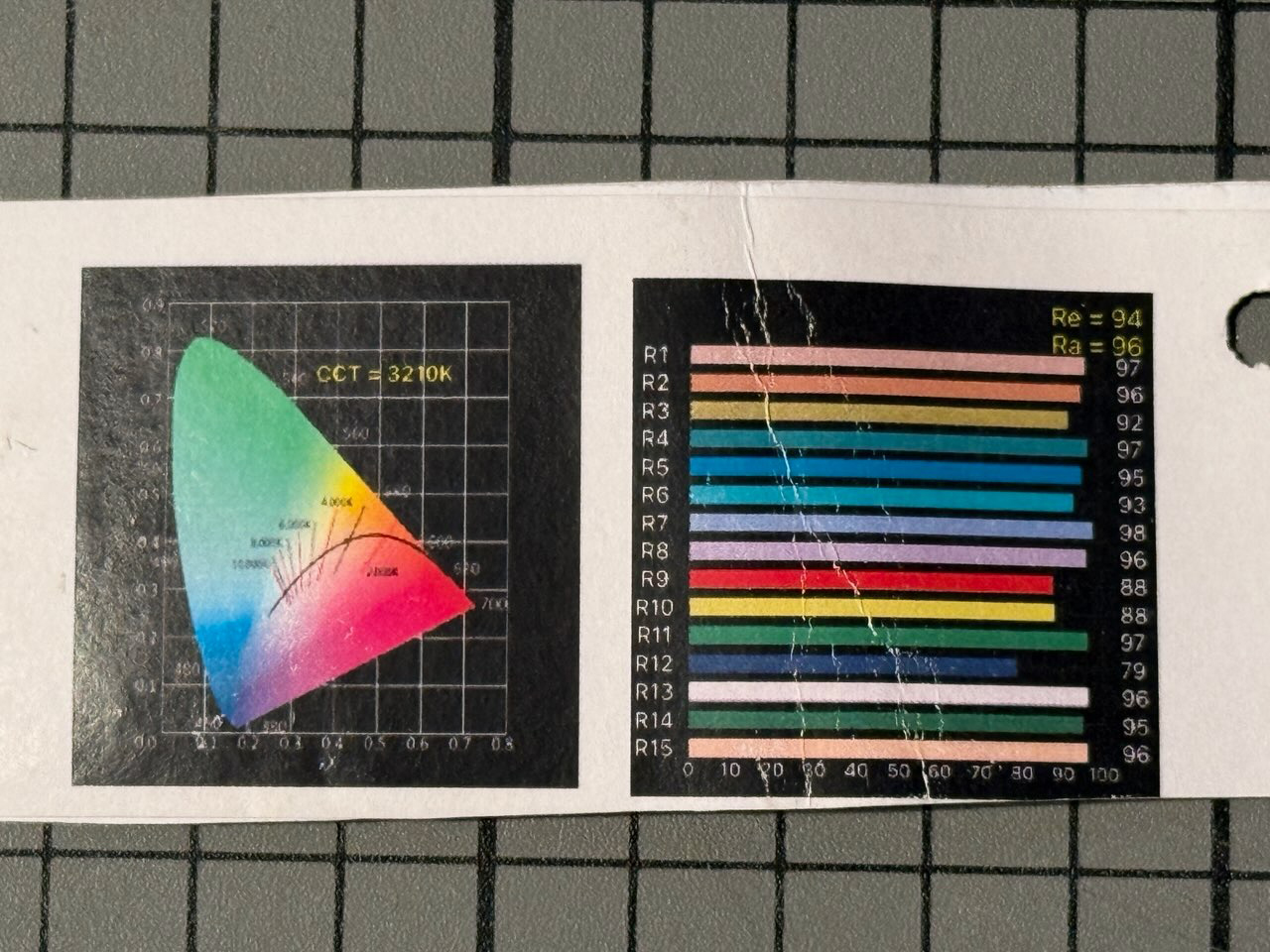
LED lights have been around for many years, and I, too, began experimenting with them years ago, but I eventually gave up due to the poor color accuracy of the LEDs available then. That’s because the simple LEDs of that time had a weakness in the blue-green spectrum, which meant that, for example, butterflies — which derive their colors through reflection — could not be colored correctly. Classic LEDs are almost “blind” to blue-green light, as can be seen in the spectral diagrams on LED manufacturers’ data sheets.
New technical solution
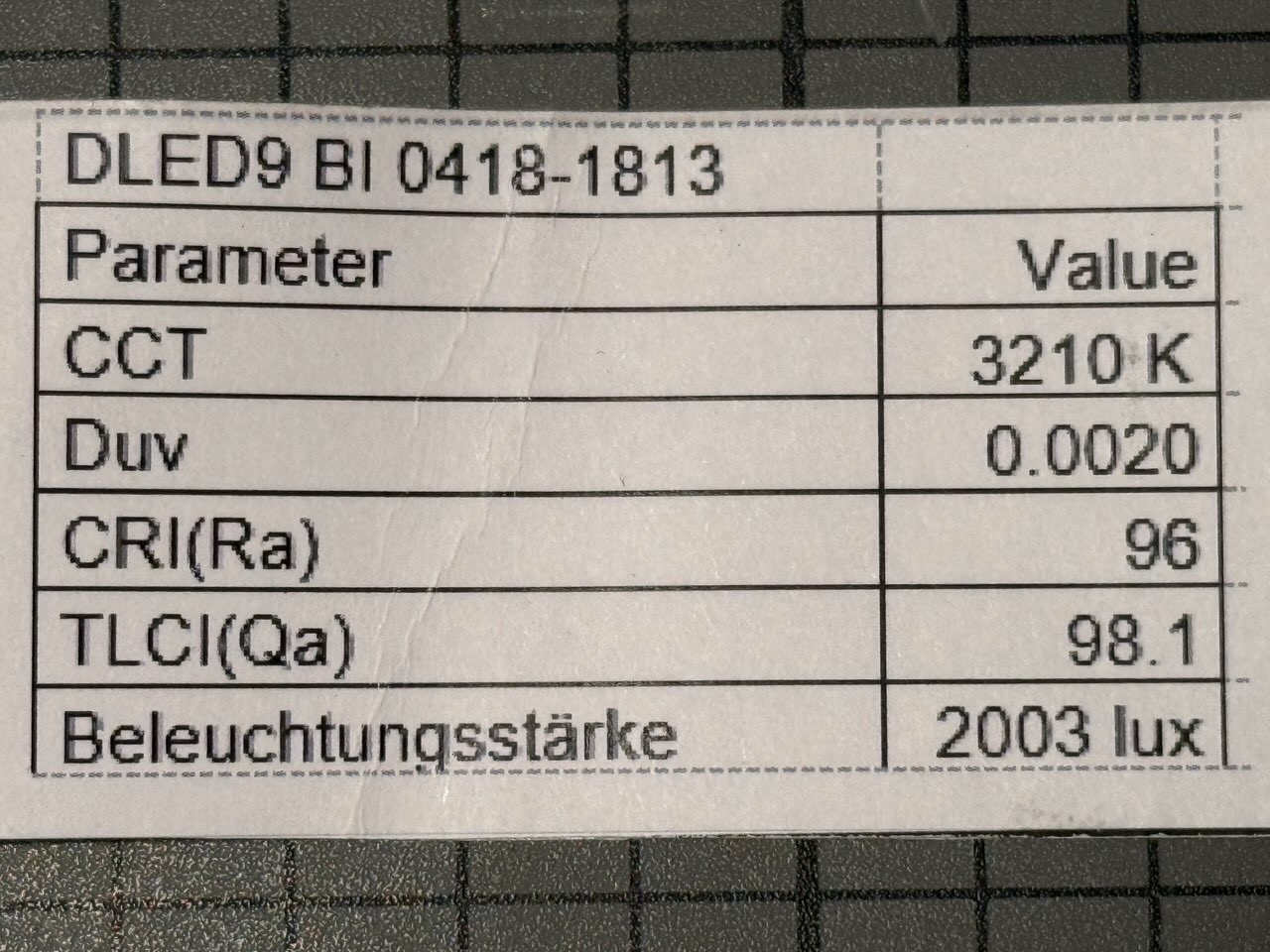
However, this shortcoming has been addressed in recent years. New types of LEDs featuring new technology and improved performance have entered the market. Of particular interest to us are LEDs that use multiband technology to compensate the problem of blue-green color deficiency through their CRI (Color Rendering Index). Furthermore, in the high-end price segment, there are LED lights where the color temperature can be precisely adjusted and which—to put it simply—incorporate multiple LEDs within a single LED housing. The CRI value has become a major concern for photographers and filmmakers, and this has had a very positive impact on LED lights as well. As a result, for certain applications, LED lights have become a viable alternative to halogen or flash lighting.
Advances in LED technology have motivated me to revisit this topic and once again explore LED lighting. It is my interest in film and my goal of improving the lighting of outdoor objects that have led me to study this subject for the past three years with great dedication.
Applications
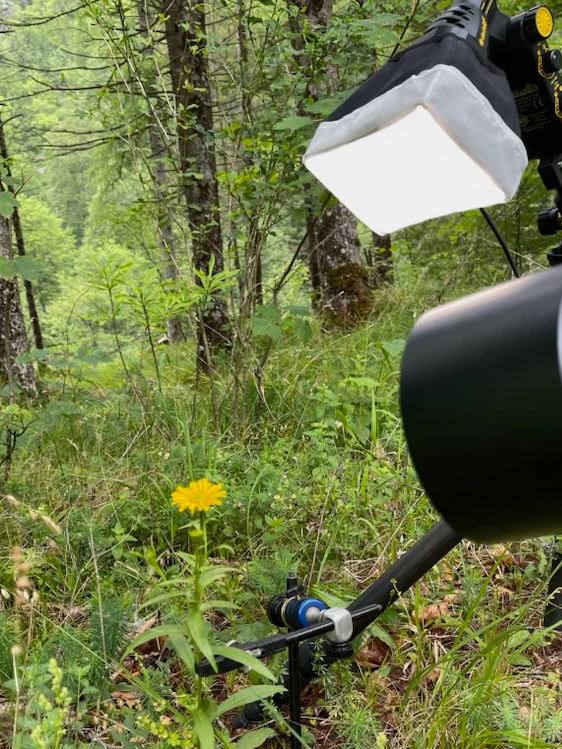
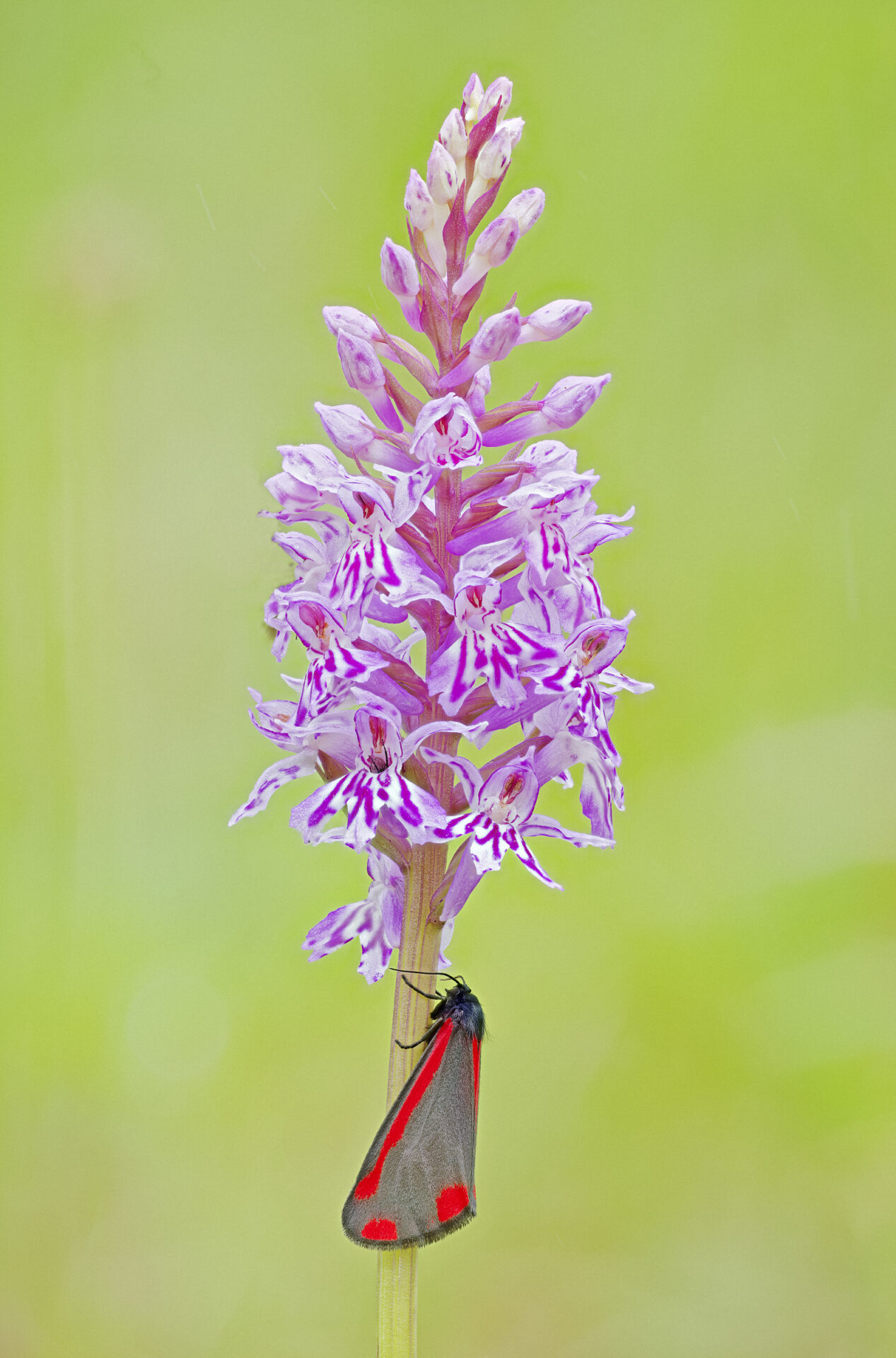
Whether you’re brightening a bird 8 meters away or highlighting a butterfly perched under an orchid blossom, the possibilities are endless, even in wildlife and nature photography. Especially when switching between a single frame and video sequences, a flash cannot be used because it emits light for only a fraction of a second. When filming, you’re still reliant on continuous lighting. Another helpful feature in this context is the ability of cameras currently available on the market to switch to higher ISO settings.
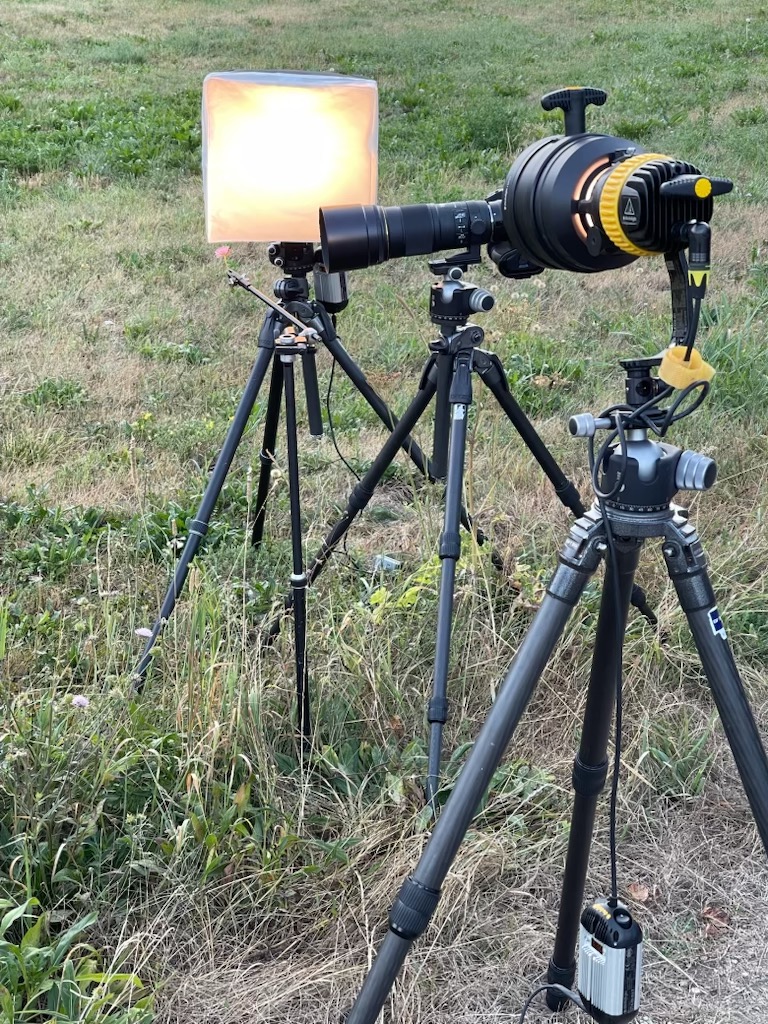
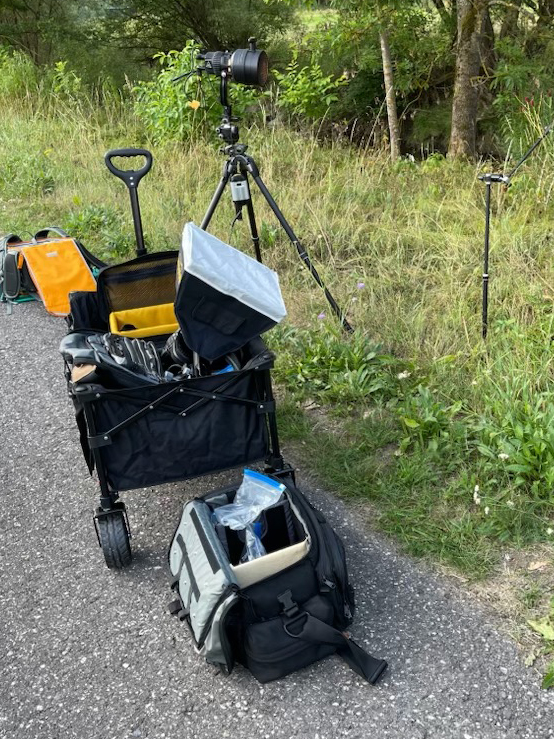
Thanks to my personal contact with Dedo Weigert—the founder of Dedolight, who sadly passed away in 2025—I became familiar with Dedolight products. Many years ago, I used halogen lights from his company and had a good experiences with them. The LED lights now used outdoors range from 8 to 90 watts and can be powered by standard rechargeable batteries as used in the film industry. In addition, there are LED lights with higher capacities, but these require a direct power supply from an outlet.
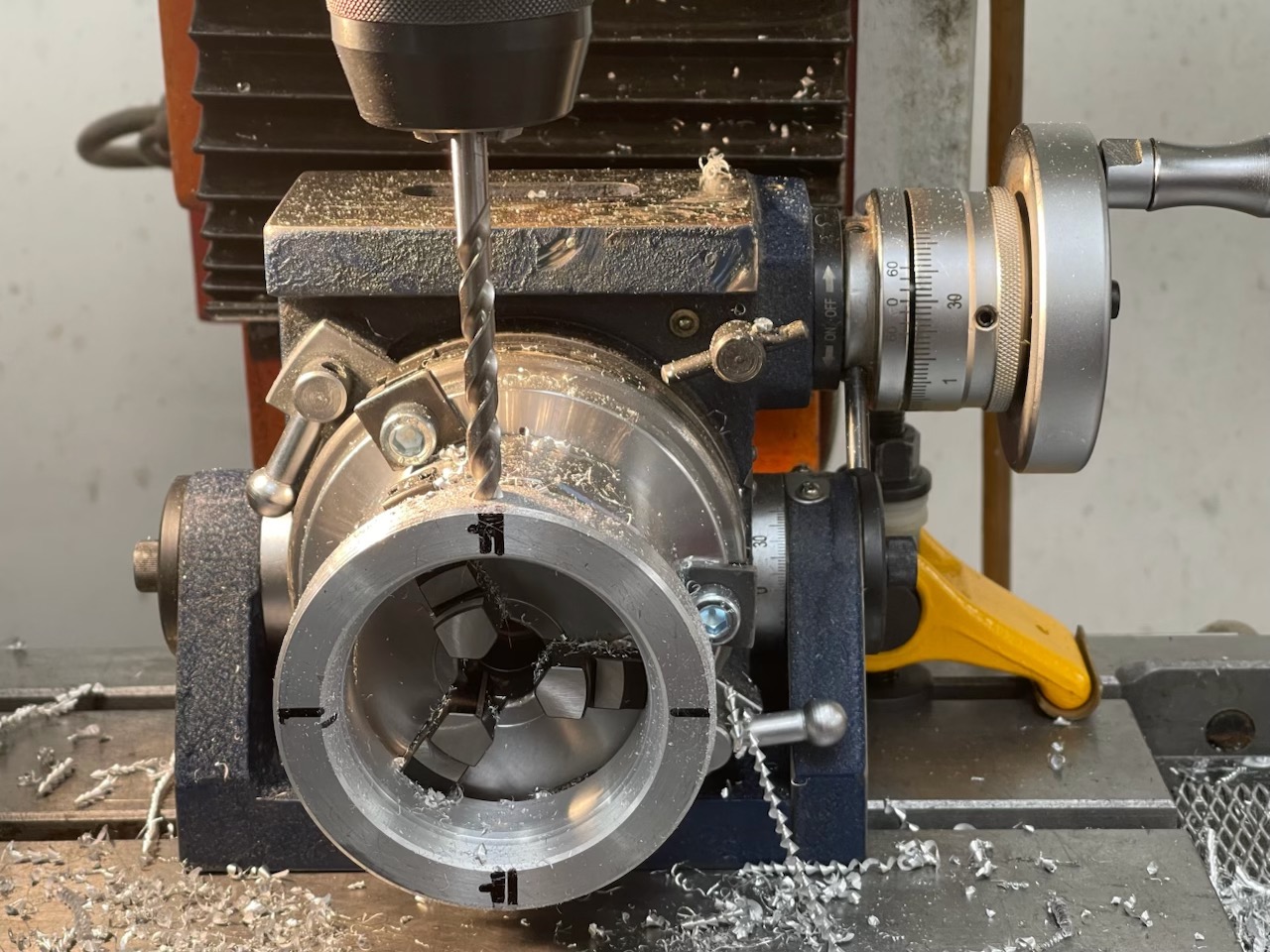
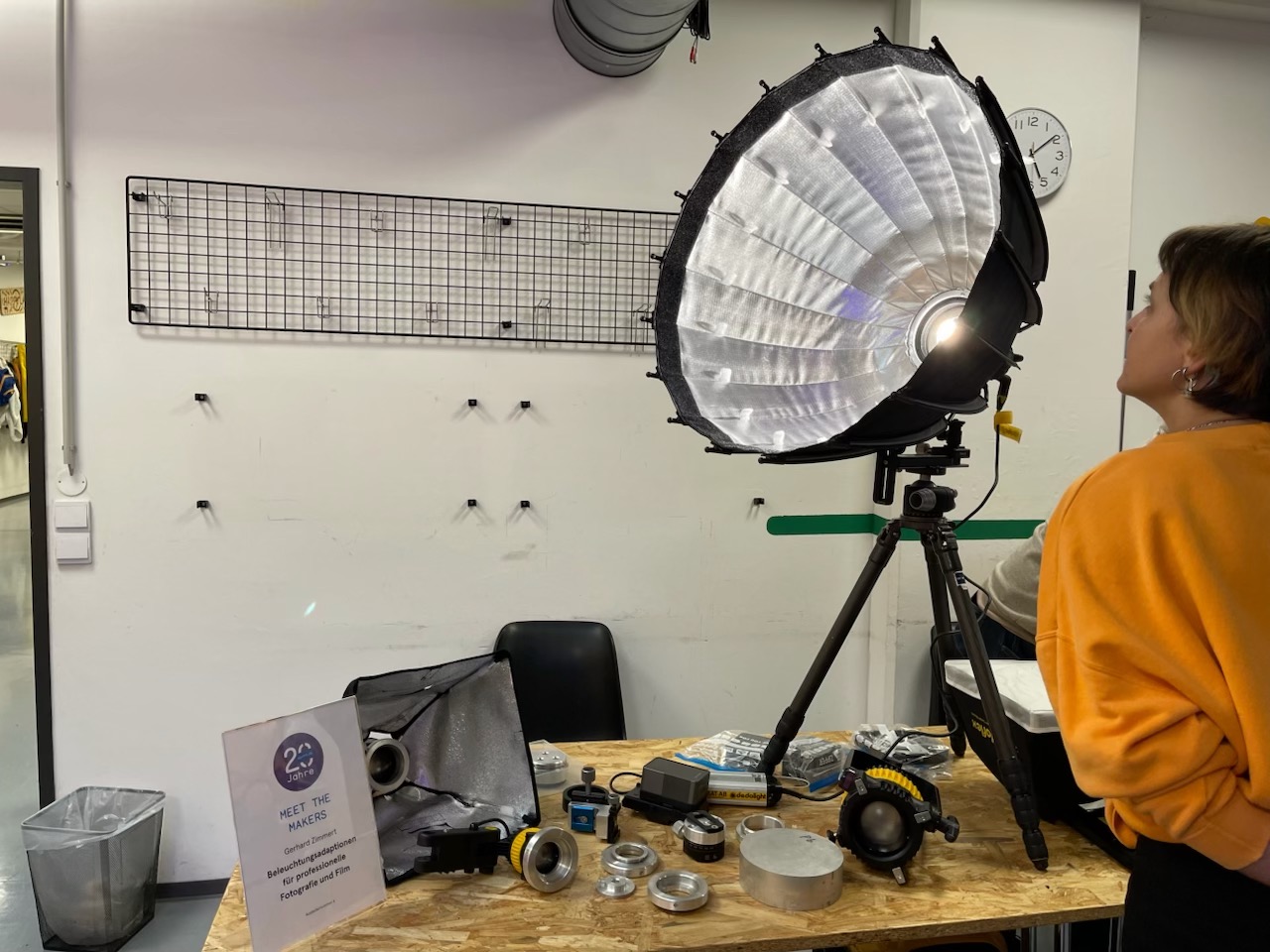
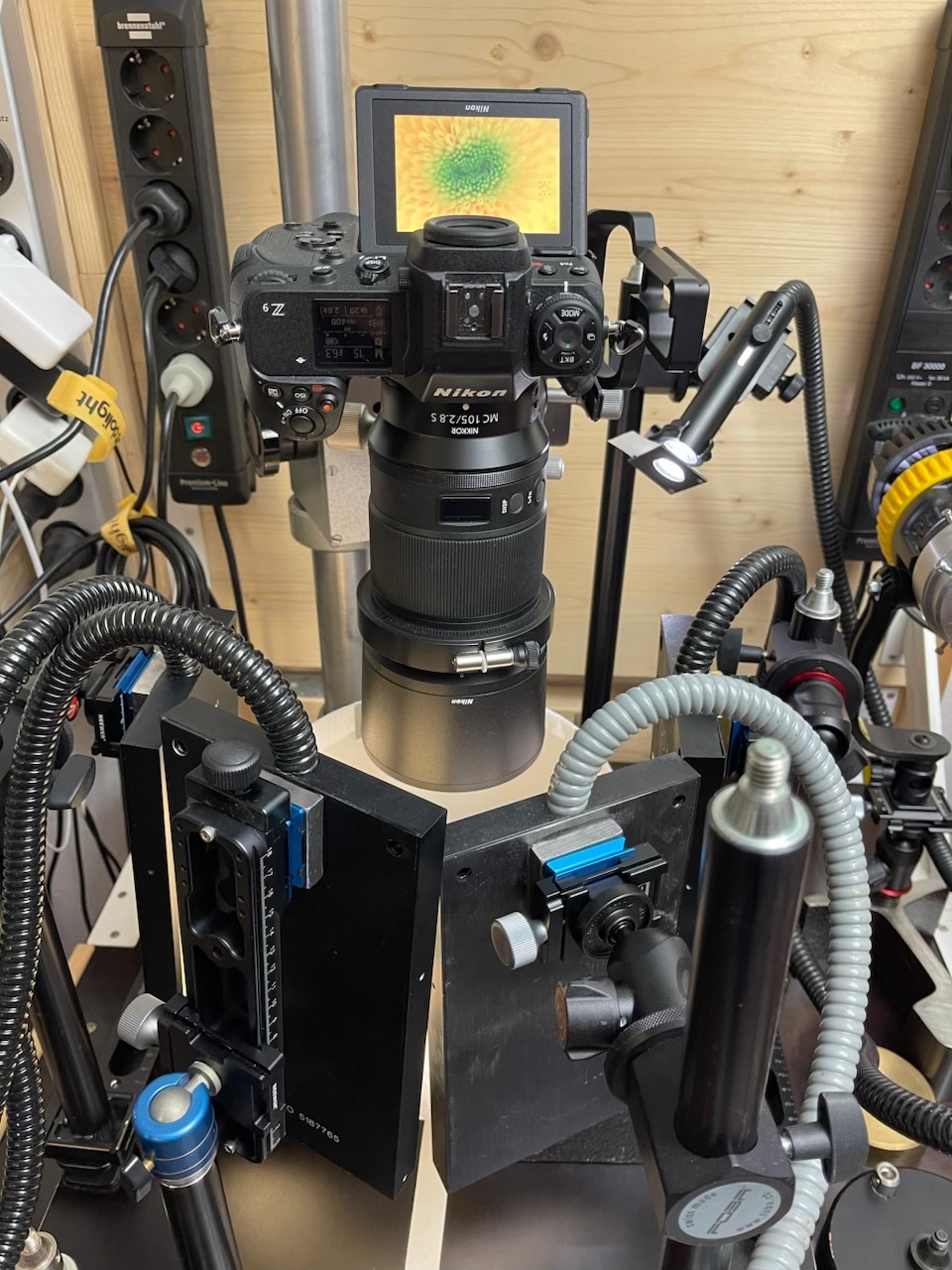
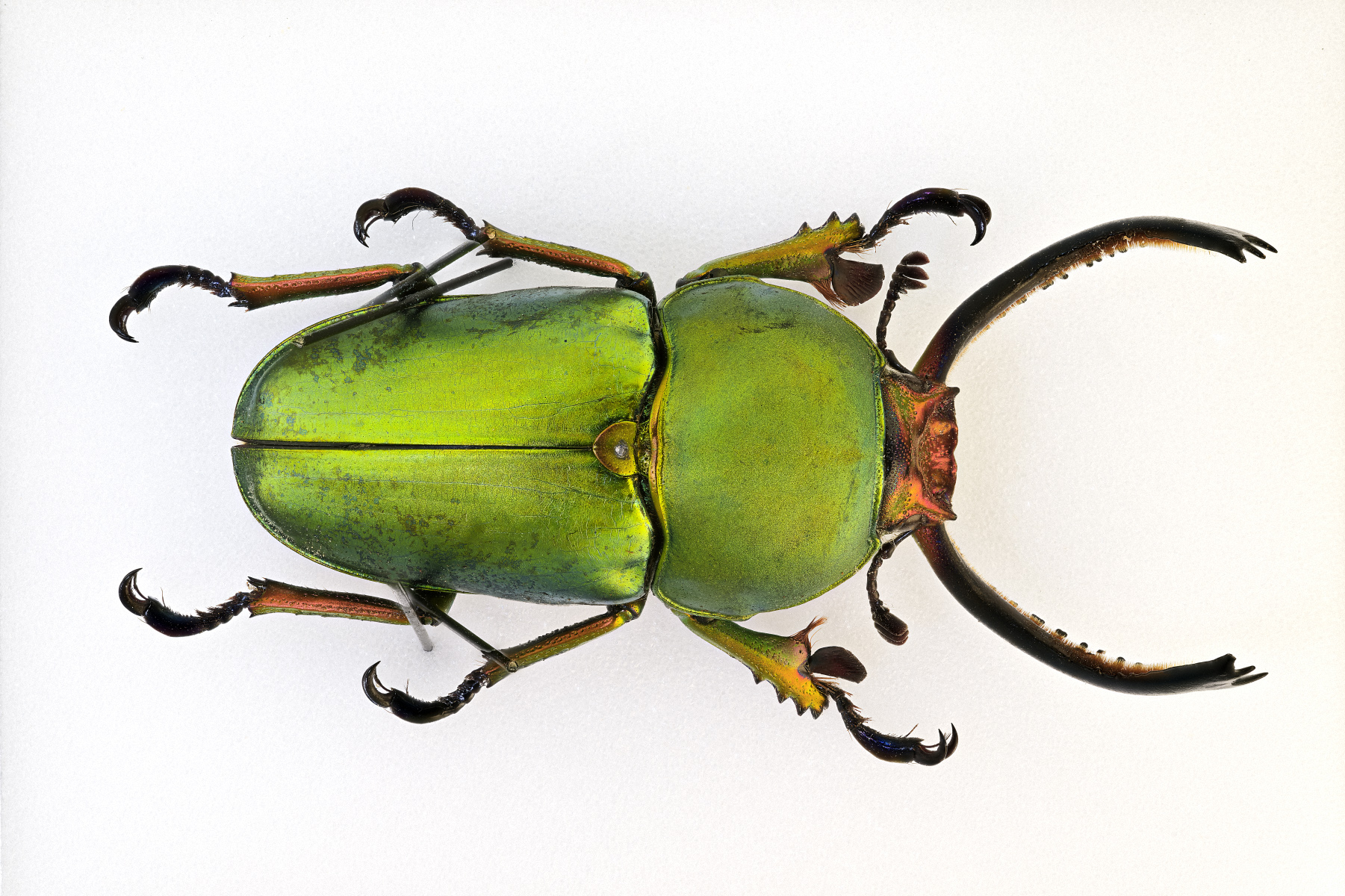
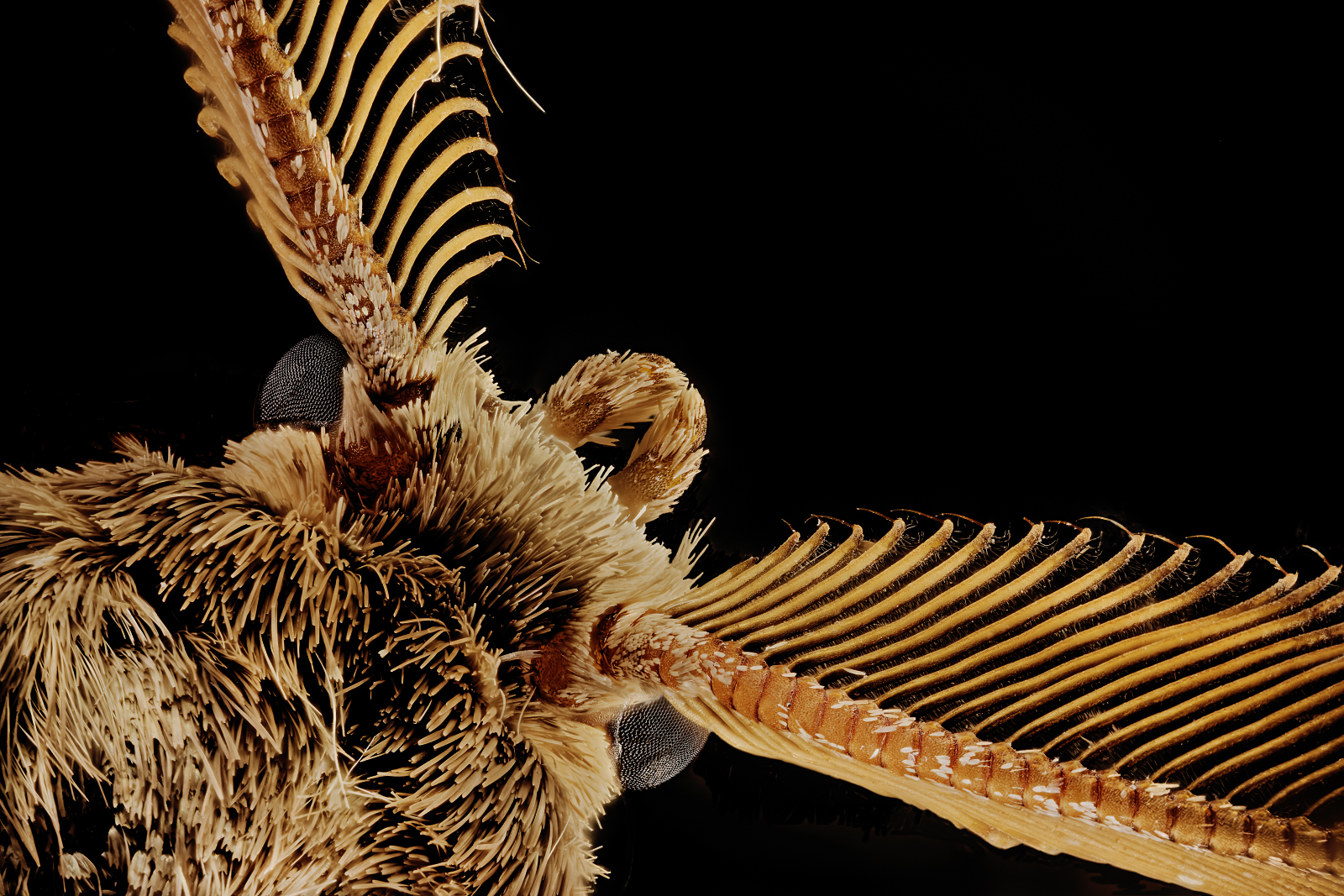
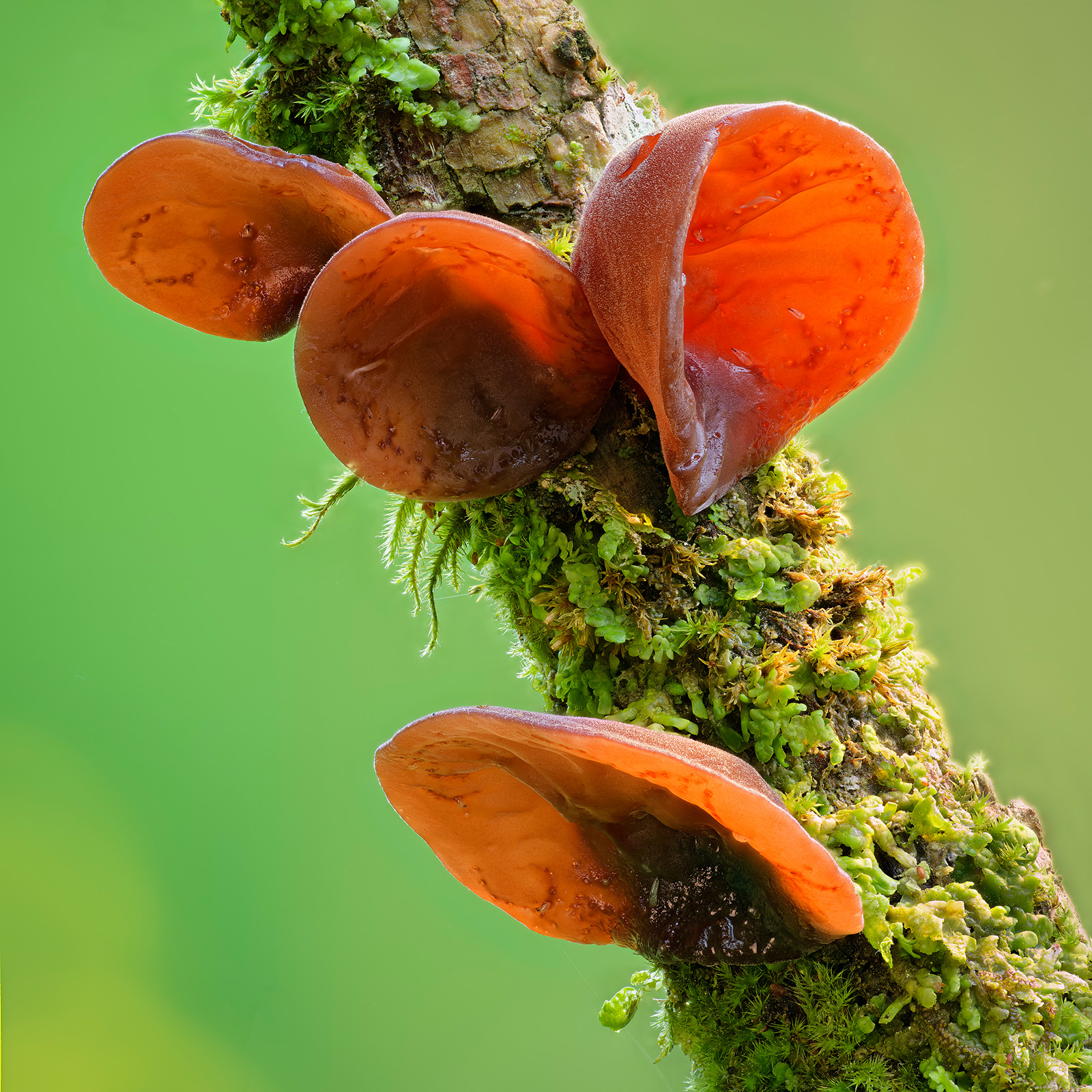
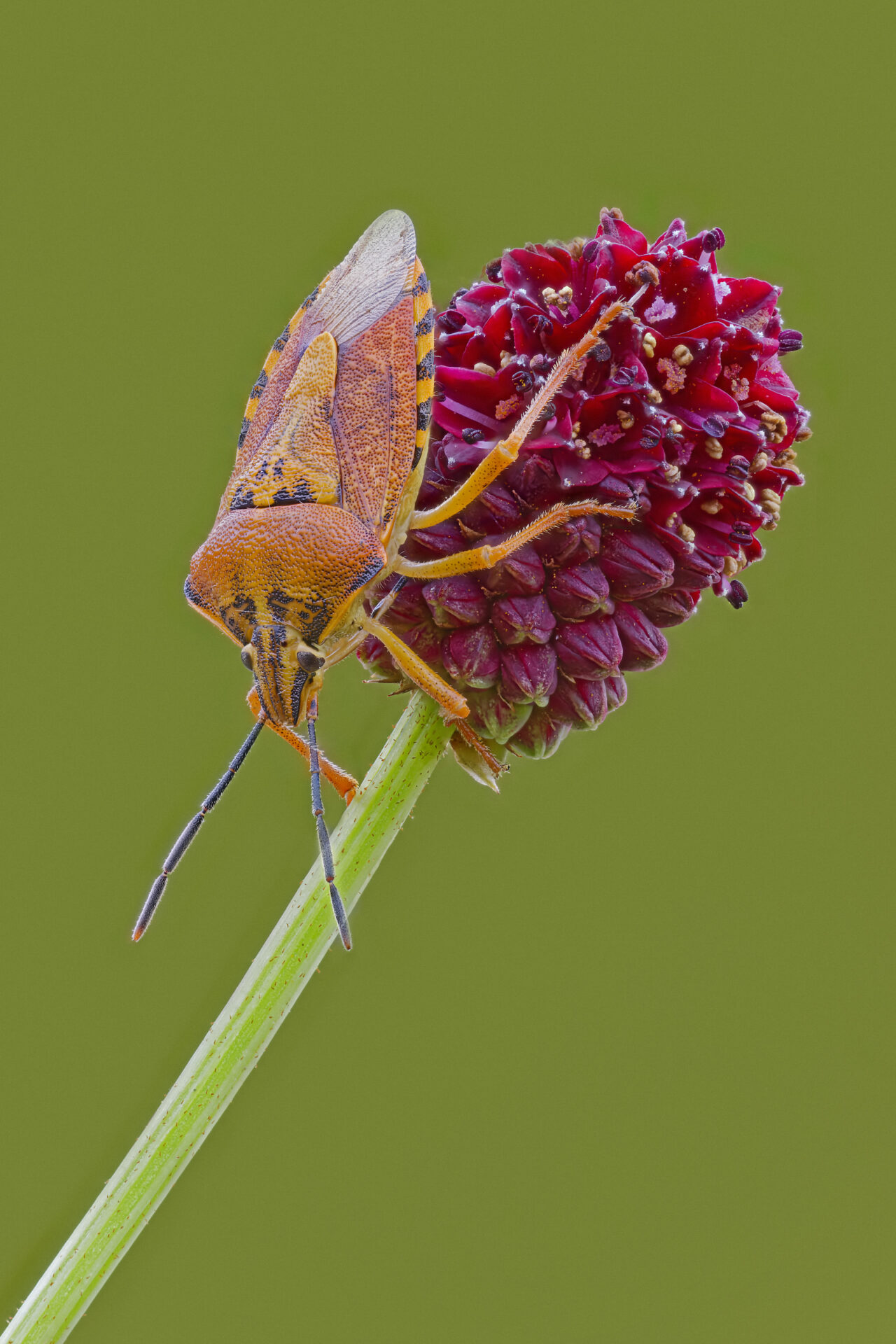
Dedolight's original product line was designed for lighting film scenes. For my specific applications in macro photography (e.g., of butterflies, flower details, minerals), I’ve fabricated many accessories, adapters, and modifications in my mechanical workshop so that I can use various light modifiers from flash and halogen lighting systems with LED lights as well. These include light modifiers that are fed light via light guides and can illuminate the tiniest details, as well as umbrella reflectors for hard lighting over distances of several meters.
Does that mean the flash unit, the studio flash system, or the Schott Fostec halogen lighting units have disappeared into the basement? No, but I’ve gained an additional lighting system that I can also use outdoors for photography and film, which opens up new opportunities for me to work at the highest quality level and stay on the cutting edge of technology.

 EN
 DE